

Two Irish sustainability consultancies, Antaris and Pragmatica, have announced a strategic merger that will significantly strengthen sustainability, education and ISO support for small and medium-sized enterprises across Ireland.
Under the merger, Pragmatica, an outsourced sustainability partner known for its tailored advisory services and deep technical expertise, will now operate under the umbrella of Antaris. The move consolidates more than 30 years of combined experience across sustainability strategy, ESG (Environmental, Social, and Governance) and ISO (International Organisation for Standardisation) standards and certifications, creating a single, independent consultancy offering over 45 related services for Irish and international businesses.
Based in Cork, Dublin and Kildare, Pragmatica joins Limerick-based Antaris, which employs 18 staff – making it a national agency with international reach. The expanded team positions Antaris to offer a holistic approach to strategy, sustainability, certifications including B Corp, EcoVadis and a full range of ISO standards and training programmes across all services at a time when Irish businesses are facing increasing pressure from evolving global regulations, alongside broader geopolitical and economic uncertainty.
The merger creates a one-stop shop for all businesses, enabling them to better understand, prepare for and respond to regulatory changes, including ESG reporting requirements, ISO standards and broader sustainability compliance.
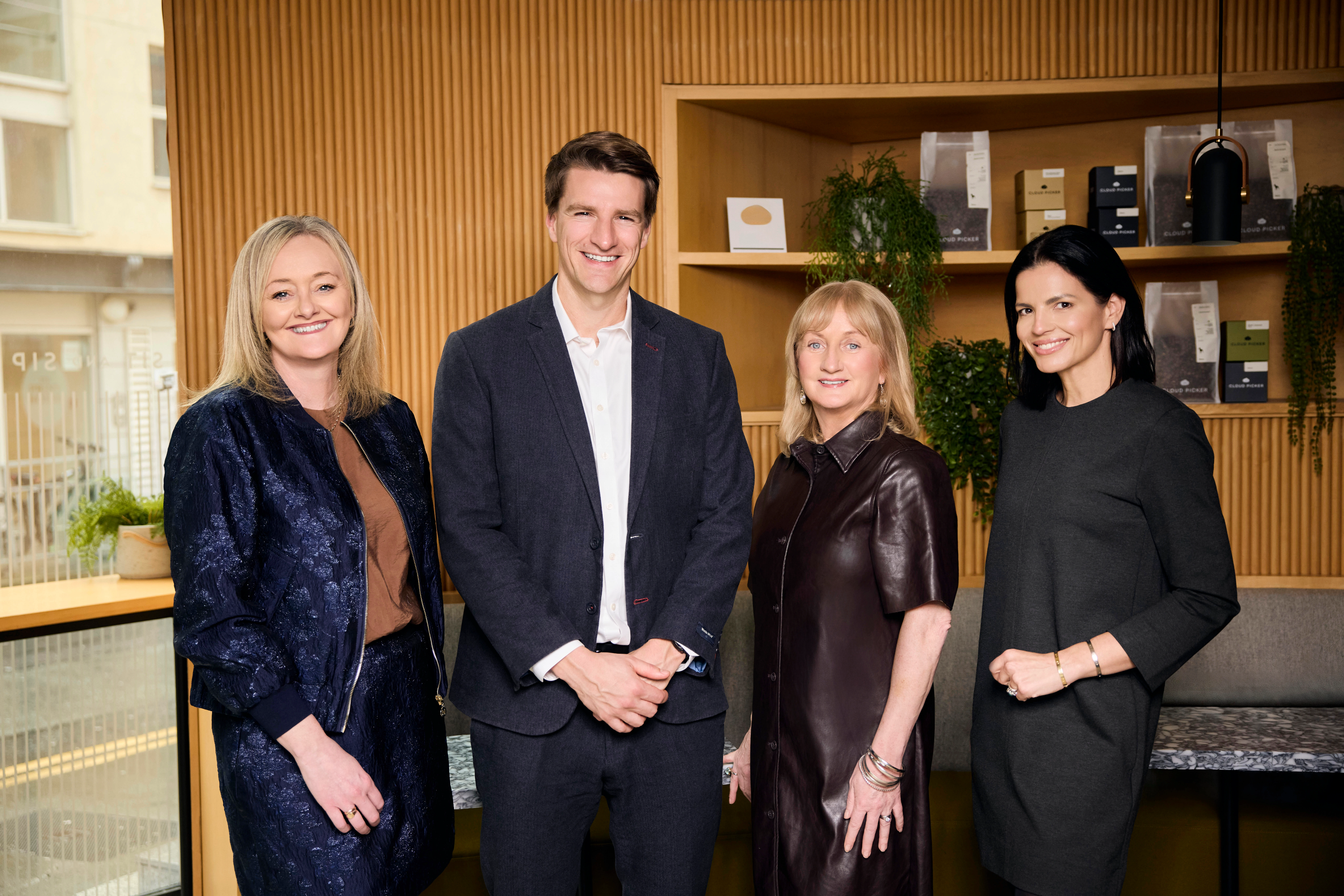
Speaking about the announcement, Eugene Cush, CEO of Antaris Consulting Ireland, said:
“This merger is a very positive step for Businesses. Businesses are operating in an increasingly complex environment, with sustainability, regulation and risk management now firmly linked. By bringing Pragmatica into the Antaris group, we are strengthening our ability to provide practical, expert-led solutions that give businesses a solid footing for the future.”
Gillian Peters, CEO of Pragmatica, added: “Joining Antaris allows us to scale what we do best – working closely with businesses to embed sustainability in a way that is realistic, compliant and commercially sound. Together, we can support businesses not just to keep pace with regulation and supply chain pressures, but to use sustainability as a strategic advantage.”
Aine Collins, CAI, CFO of Antaris adds: “The role of the accountant is evolving as sustainability and non-financial reporting become central to corporate value. As a Chartered Accountant and IFAC Board Member, I recognise the urgent need for robust systems. This merger allows Antaris to provide the technical rigor and strategic foresight businesses need to thrive in a more transparent global economy.”
Pat Kane, CSO of Pragmatica adds: “This merger marks an exciting new chapter for sustainability in Ireland, bringing together Pragmatica’s practical, purpose-led ESG expertise with Antaris’ market-leading capabilities to create a stronger, future-focused business that empowers organisations of all sizes to turn sustainability into lasting commercial and societal value, driving meaningful systemic change.”
The merger also has a strong personal dimension. Cush and Peters first met over a decade ago while studying for a master’s degree together. Peters and Collins also met over ten years ago when working together in an Irish Accountancy Body, while Peters and Kane commenced working together three years ago in Pragmatica. All of these relationships have the foundations built on shared values, mutual respect and a common understanding of what meaningful sustainability looks like in practice and how best to support businesses.
“This is a merger rooted in trust and friendship as much as strategy,” said Peters. “We’ve always shared the same vision despite coming from different backgrounds – that sustainability should be practical, credible and accessible for businesses of all sizes.”
With sustainability no longer a choice but imperative for businesses, the combined consultancy aims to support Irish businesses through the next phase of regulatory change, including supply chain pressures helping them build resilient, future-ready organisations in an uncertain global landscape.